
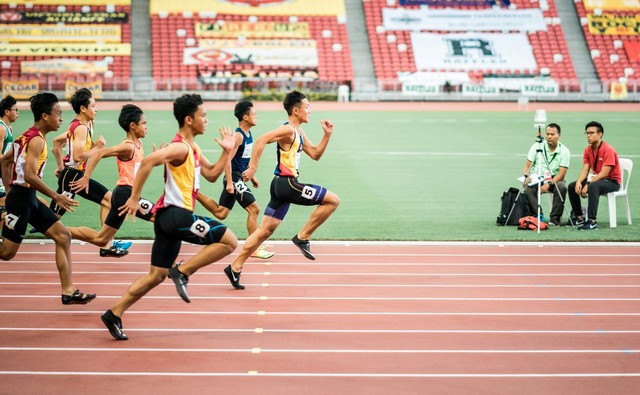
Sport can drive youth health, education, and livelihoods, but realising its social and economic potential requires coordinated partnerships linking government, schools, universities, NGOs, private sponsors, and young people themselves.
Partnerships in sport and development encompass structured and grassroots collaborations that leverage sport as a vehicle for broader social, health, and economic outcomes-outcomes that extend well beyond competitive success.
Such partnerships can provide funding for facilities, equip coaches to teach life skills, create competition circuits linking schools and communities, connect talent pipelines to scholarships and employment, and design inclusion programmes for girls, rural youth, and people with disabilities.
Globally, this is known as “sport for development”: sport deliberately used to boost education, improve health, advance gender equality, and strengthen communities.
Why Youth?
Young people represent a significant portion of Sarawak’s population, and they are the group most likely to benefit from well-structured sports programmes.
Evidence demonstrates that consistent participation in sport during adolescence enhances physical and mental well-being, improves educational engagement, and cultivates social and behavioural competencies relevant to the labour market.
International bodies such as UNESCO and the WHO show that investing in school sport and community activities is a cost-effective way to improve public health while advancing the Sustainable Development Goals.
The sheer size of Sarawak, combined with its dispersed rural population and lengthy inland travel times, presents unique challenges in extending sports participation equitably.
While many district towns have basic facilities, access to quality venues, trained coaches, and structured programmes is still limited outside Kuching and other urban centres.
To address this, the Sarawak state government committed RM280.7 million under the 2025 budget towards sports infrastructure enhancement-a deliberate signal that facility development and accessibility are central to policy objectives.
Participation and Social Impact
At the national level, sports participation in Malaysia remains moderate.
Findings from government studies such as the Malaysian Sports Culture Index (MSCI) indicate that while participation is ongoing, deficiencies in consistent physical activity, volunteer involvement, and sporting ethos hinder the development of a strong grassroots system.
About half of Malaysians engage in sport, exercise, or recreation at least once a month, yet only a small group stays consistently “active”-and youth participation follows the same pattern.
Evidence from a development perspective demonstrates the effectiveness of sport-based initiatives.
Studies by UNICEF and UN agencies show that sport-based programmes can improve mental well-being, curb risky behaviours, strengthen inclusion, and help keep children in school, especially when programmes are safe, child-centred, and connected to schools and communities.
UNESCO’s Sport for Development guidance further underscores sport’s potential to advance gender equality, social inclusion, and peaceful civic engagement.
Ultimately, sport is an effective vehicle for social outcomes, but impact relies on programme quality, clear objectives, and collaborative partnerships.
Read more :


Reference:
- Recovering Better: Sport for Development and Peace Reopening, Recovery, and Resilience Post-COVID-19
- Sports for Development
- More Active People for a Healthier World
- Fit for Life
- RM 280.7 Million Allocation for Sports Facilities Development, Improvement in Sarawak
- Malaysian Sport Culture Index 2023
- Sport, Exercise, and Recreation Participation in Malaysia 2023: The Engagement Pattern According to Demographics, Participant Characteristics and Social Groups
- Playing the Game
- Sarawak Sports Corporation
- Sport Engagement Model in Malaysia: Effect of Cost and Volunteerism
- Ministry of Youth, Sports and Entrepreneur Development Sarawak