
Entrepreneurship in Sarawak is usually associated with modern start-up ecosystems, digital apps, or e-commerce.
However, the community-based platforms remain equally vital in nurturing young entrepreneurs.
The Medan Niaga Satok Carnival is one such example.
Organised by FAMA (Federal Agriculture Marketing Authority) with strong support from the Sarawak Government, the carnival has evolved into a vibrant trading ground for agro-food producers, micro-entrepreneurs, and emerging local brands.
With its high footfall and millions in potential transactions, it continues to be a strong stepping stone for Sarawak’s youth entrepreneurs.
What is Medan Niaga Satok Carnival
Medan Niaga Satok is a modern, permanent market complex in Kuching, developed through a joint effort between the federal and state governments.
According to FAMA, its establishment was intended to replace the aging Satok Weekend Market, which had long faced challenges such as sanitation problems, frequent flooding, traffic bottlenecks, and outdated infrastructure.
Spread over 12.25 acres, Medan Niaga Satok officially opened on 1 January 2013, just a day after the older market shut its doors.
It was designed as a permanent farmers’ market and a centralised marketing hub for agro-food traders and local micro-enterprises.
The Medan Niaga Satok Carnival is one of the major events hosted there.
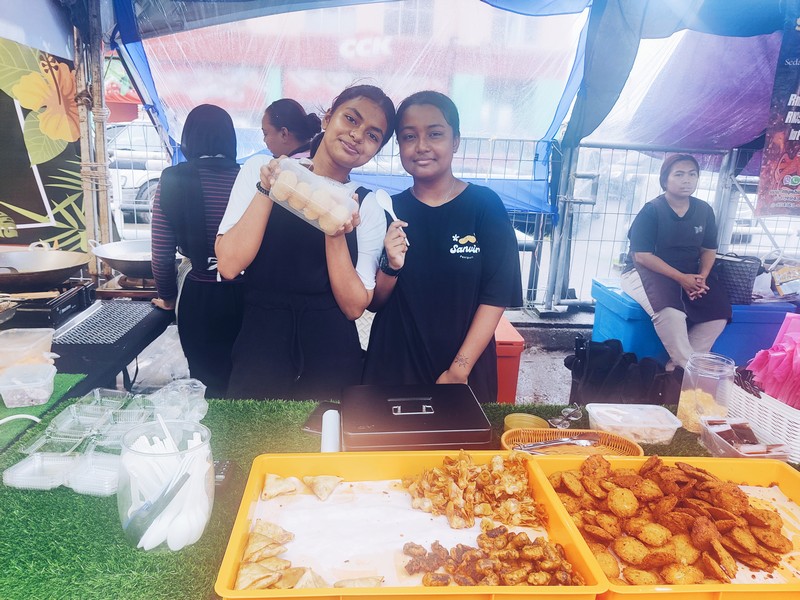
In 2025, it drew over 65,000 visitors across three days (28th–30th November), featured 103 entrepreneur booths, and aimed for RM1.3 million in sales.
In short, the carnival is not a typical market day; it is a high-visibility, high-traffic promotional event that offers vendors significantly greater exposure.
Drivers Behind the Medan Niaga Satok Carnival
The Medan Niaga Satok Carnival was born out of a vision to elevate the market from a daily trading spot into a vibrant platform for business and community life.
Although the market offered a permanent, organised space for sellers, many small businesses—especially youth-led ventures—struggled to gain visibility or test their products with a wider audience.
The introduction of the carnival provided a concentrated, high-profile event that attracted both local and tourist traffic, while offering young sellers access to marketing assistance, regulated facilities, and a dynamic environment to showcase their goods.
In addition, the Medan Niaga Satok Carnival does more than generate immediate sales; it is a catalyst for economic growth and a platform to strengthen Sarawak’s entrepreneurial community.
By bringing together vendors, entertainment, and promotional events into a concentrated, high-profile period, organisers provide young entrepreneurs with hands-on experience in pricing, branding, and engaging with consumers.
At the same time, the carnival also functions as a cultural platform, promoting Sarawakian craftmanship, agro-food products, and traditional offerings, thereby cultivating public recognition of locally made goods and supporting small enterprises.
Youth Entrepreneurship in Sarawak and Their Participation
While FAMA does not release age-specific data for carnival participants, broader trends show a growing youth entrepreneurship movement in Sarawak.
The Sarawak Youth StartUp (SYStartup) initiative has helped 216 young people launch businesses, with 106 formally registered by mid-2025.
Many of these ventures have begun hiring staff, highlighting the role of youth-led enterprises in local job creation and economic growth.
Additionally, the Tunas Usahawan Belia Bumiputera (TUBE) programme has provided practical business training to hundreds of young Sarawakians, with 60 participants joining the 2025 cohort and a cumulative total of 879 trained since the programme’s inception.
Within this growing entrepreneurial ecosystem, the Medan Niaga Satok Carnival acts as an ideal launchpad, offering high foot traffic, structured facilities, and a strong reputation that helps young entrepreneurs test products, gather customer feedback, and build early brand recognition.
How the Medan Niaga Satok Carnival Benefits Young Entrepreneurs
For youth participants, the carnival serves as an experiential platform that goes beyond commercial transactions, offering practical exposure to business management.
The large crowds help youth vendors fine-tune their branding, packaging, and marketing strategies based on direct customer feedback.
Moreover, the regulated, well-organised environment further helps them understand what it means to meet hygiene and safety standards—skills that are difficult to practise in informal trading spaces.
In addition, the carnival opens doors for networking.
It allows young vendors to engage with suppliers, financial institutions, and peers.
These interactions often lead to collaborative opportunities, mentoring relationships, and knowledge exchange.
Many gain the confidence and experience needed to move from pop-up stalls to permanent ventures.
In contrast, others use the carnival as a stepping stone to access grants, training, and digital support from state and federal programmes.
Furthermore, the carnival also doubles as a cultural showcase, where heritage food and handmade crafts take centre stage, giving young entrepreneurs the chance to embed local identity into their products.
This reinforces place-based branding and supports the growth of youth enterprises that prioritise cultural preservation and economic sustainability.
Challenges Faced by Young Entrepreneurs
Nonetheless, the carnival comes with its own set of challenges.
Because organisers don’t collect detailed demographic data, they have limited insight into how many youths actually take part or the issues they face.
Aside from that, financial limitations also remain prevalent; the combined costs of inputs, logistics, stall preparation, and promotional activities often exceed the means of new entrepreneurs.
Another difficulty is staying active after the carnival ends.
While some vendors enjoy strong sales during the event, many struggle to maintain momentum without steady customers or ongoing marketing support.
Not all young people are aware of the support schemes like SYStartup or TUBE, especially those in rural areas.
Additionally, high demand for booth spaces can crowd out first-time or less experienced entrepreneurs.
Proven Solutions and Support Programmes
To overcome these hurdles, federal and state agencies have rolled out several initiatives targeting young entrepreneurs.
The SYStartup programme facilitates training, mentorship, and business formalisation support, helping youth entrepreneurs navigate licensing, branding, and operational processes.
TUBE provides guidance and seed funding specifically for Bumiputera youth, empowering them to establish viable enterprises.
Additional support comes in the form of microcredit schemes, digitalisation grants, and branding workshops, all aimed at helping young entrepreneurs build sustainable business models.
Aside from that, seasonal bazaars and smaller market events at MNS provide ongoing opportunities for young sellers to test new products, refine their skills, and cultivate customer loyalty year-round.
All of these efforts work together to create a supportive environment for youth entrepreneurship, even though awareness, accessibility, and long-term sustainability still need improvement.
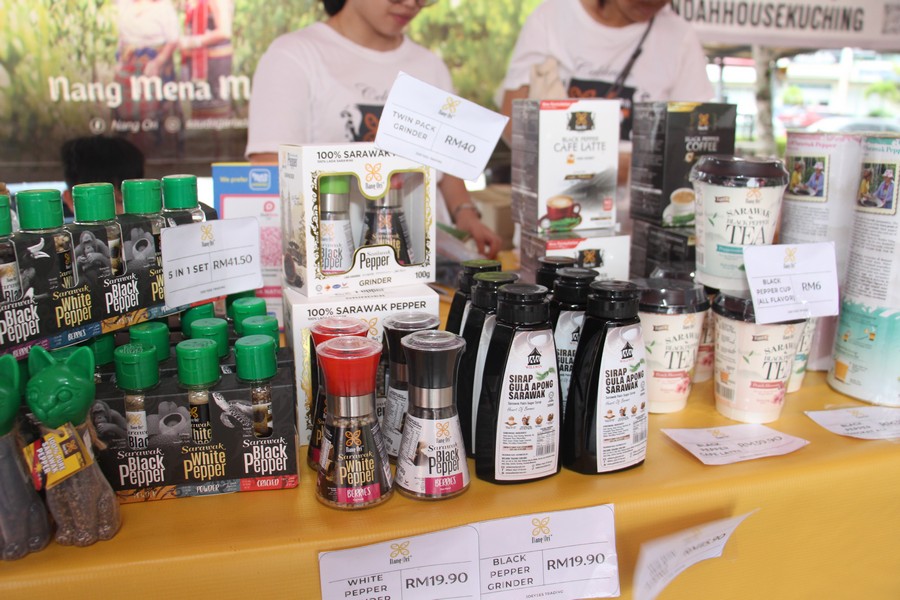
Puan Awaeang anak Kwasin—founder of the Nang Ori brand, selling local Sarawak peppers and other products from Sarawak—shared her advice for youth entrepreneurs during the 2025 Medan Niaga Satok Carnival.
She advised young entrepreneurs not to underestimate carnivals, expos, and bazaars, and emphasised that these events are one of the keys to success, as they offer valuable exposure and help build customer loyalty for their brand and products.
Recommendations for Strengthening Youth Participation
The carnival could have an even greater impact on young entrepreneurs with a few targeted improvements.
Collecting age-specific data during registration would help organisers better track youth participation and tailor support accordingly.
Other than that, establishing a dedicated “Youth Entrepreneur Zone” with subsidised booths, mentorship, and marketing support could facilitate participation for first-time sellers.
To maintain momentum after the carnival, a structured “carnival-to-market” transition programme could provide digital storefronts, social media marketing training, and access to regular trading slots at MNS.
Even modest microgrants of RM300 to RM2,000 could help cover start-up expenses.
Coupled with promotional campaigns highlighting youth success stories, these measures could encourage more Sarawakian youth to pursue entrepreneurial ventures with confidence.
Conclusion
The Medan Niaga Satok Carnival extends beyond its role as a temporary marketplace, serving as a strategic mechanism to support youth entrepreneurship, enhance local commerce, and highlight Sarawakian culture.
By offering exposure, hands-on experience, and networking opportunities, the carnival enables young entrepreneurs to test ideas, grow their businesses, and establish a foothold in the local economy.
With better accessibility, post-event support, and promotional efforts, the carnival could grow into an even more powerful launchpad for Sarawak’s next generation of entrepreneurs.
References: