
For a generation that has grown up with unfettered access to information, the narrative that trauma permanently damages the brain has become a common and chilling refrain.
This idea, often shared with the best intentions on social media or in casual conversation, suggests that after a profoundly distressing event, an individual is left broken in a way that can never be fully repaired.
For young people, who are already navigating the turbulent waters of identity formation, academic pressure, and social belonging, such a belief can be devastating.
It can transform a wound into a life sentence, fostering hopelessness and discouraging the very act of seeking help.
However, modern neuroscience offers a radically different and far more hopeful perspective.
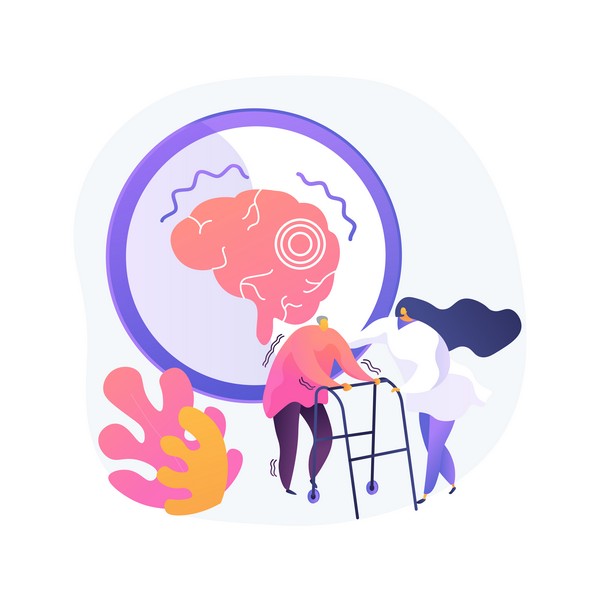
While trauma undeniably alters the brain, it does not irreparably damage it.
The human brain is not a static, fragile organ that cracks under pressure; it is a dynamic, adaptable, and remarkably resilient system.
This adaptability is known as neuroplasticity, the brain’s lifelong ability to reorganise itself by forming new neural connections.
Understanding neuroplasticity dismantles the myth of permanent damage and reveals that the brain’s primary function is not just to survive but to adapt, learn, and heal.
For young people, this knowledge is not merely academic; it is a lifeline.
It is the scientific foundation for a message of profound hope: that recovery from trauma is not only possible but is an anticipated outcome when the right support and strategies are in place.
The Brain’s Alarm System
When a young person experiences a traumatic event, be it abuse, an accident, the sudden loss of a loved one, or witnessing violence, their brain does not malfunction.
Instead, it activates a highly sophisticated survival system, commonly known as the fight, flight, or freeze response.
This is not a sign of weakness but an evolutionary masterpiece designed to protect the individual from perceived danger.
This response involves several critical brain regions working in concert.
The amygdala, which acts as the brain’s alarm system, becomes hyperactive, increasing feelings of fear and vigilance.
At the same time, the prefrontal cortex, the brain’s rational and regulatory centre that helps with clear thinking and emotional control, can become less active.
This neurological shift explains why a young person who has experienced trauma may feel constantly on edge, have difficulty concentrating in class, or be overwhelmed by intense emotional reactions that seem to come from nowhere.
Furthermore, the hippocampus, which processes and contextualises memories, can undergo structural or functional changes.
This can lead to fragmented or intrusive recollections, where the memory of the trauma feels as vivid and immediate as if it were happening all over again.
It is crucial to emphasise that these changes are not signs of a broken brain.
They are adaptive, a natural and intelligent effort by the brain to protect the young person from future harm.
The brain is essentially recalibrating itself for a world it now perceives as dangerous.
However, while this response is adaptive in the short term, when it persists long after the danger has passed, it can form the basis of trauma related mental health conditions.
The key takeaway is that these changes are, in large part, reversible.
Evidence overwhelmingly suggests that with adequate psychological and social support, the brain can learn to turn down the volume on its alarm system, restore the function of the prefrontal cortex, and process traumatic memories in a way that robs them of their power.
Neuroplasticity: The Brain’s Built-in Engine for Recovery
The concept of neuroplasticity is the cornerstone of the hope that defines modern trauma recovery.
For decades, the prevailing belief in neuroscience was that the adult brain was largely fixed and immutable.
We now know this is false.
The brain is constantly changing, rewiring, and reshaping itself in response to every experience, thought, and emotion.
This ability to form new neural pathways and, crucially, to weaken old, maladaptive ones, persists throughout life.
For young people, this is especially powerful.
Adolescence and young adulthood are periods of heightened neuroplasticity, making the brain both vulnerable to the effects of stress and exceptionally responsive to positive interventions.
Research using advanced neuroimaging has shown that the brain can positively respond to effective treatments for trauma related disorders.
For example, therapies like Trauma Focused Cognitive Behavioural Therapy (TF-CBT) and Eye Movement Desensitisation and Reprocessing (EMDR) have been found to normalise amygdala activity and strengthen prefrontal cortex functioning, thereby enhancing emotional regulation.
A systematic review of neuroimaging studies found that resilience interventions consistently reduce activity in the limbic system, the brain’s emotional centre, and that in older adolescents, social, mindfulness, and exercise interventions actually strengthen the connectivity between the prefrontal cortex and the limbic system, effectively giving the thinking brain more control over the feeling brain.
These findings provide tangible proof that the brain retains the capacity to heal and adapt, even after profound psychological distress.
The brain that learns to survive trauma is also, undeniably, the brain that can learn to heal.
Trauma and Mental Health in Young People
While the brain’s plasticity offers a path to recovery, the scale of the challenge facing young people today is immense.
Trauma is a common human experience, and for many, it does not lead to a diagnosable mental illness.
In fact, resilience is common, and many individuals experience natural recovery over time.
However, exposure to trauma significantly increases the likelihood of developing mental health conditions, and the statistics in Malaysia are deeply concerning.
Recent studies reveal a troubling picture of youth mental health in the country.
Approximately one in four Malaysian adolescents experiences depression or depressive symptoms, with rates consistently higher among girls.
The 2023 National Health and Morbidity Survey (NHMS) reported that 16.5% of children and adolescents aged 5 to 15 have mental health problems, a figure that has more than doubled from 7.9% in 2019.
Furthermore, a nationwide study found that 13.1% of youth reported suicidal thoughts, 10% had planned a suicide attempt, and 9.5% had actually attempted suicide.
The data on suicide is particularly alarming, with more than 80% of reported suicide cases in Malaysia involving men, with a significant portion being young adults aged 15 to 30.
These numbers are not just statistics; they represent real young people whose potential is being curtailed by unaddressed psychological pain.
Research on trauma exposure among Malaysian adolescents is limited but highly illuminating.
One study in Sarawak found that a staggering 77.6% of adolescents had been exposed to at least one lifetime traumatic event.
A larger nationwide study of adolescents aged 13 to 17 found that 83% had experienced at least one traumatic exposure, with the prevalence of PTSD symptoms at 11.7%.
These findings strongly suggest that a large proportion of Malaysian youth are carrying the weight of significant adversity.
The most common forms of adverse childhood experiences (ACEs) identified in local research include emotional neglect, which was reported by 46.2% of young adults in one study, along with various forms of abuse and household dysfunction.
These ACEs are strongly linked to the development of depression, anxiety, and stress, with those experiencing four or more ACEs having significantly higher odds of developing these common mental health problems.
The message is clear: trauma is a silent but pervasive driver of the mental health crisis among young people in Malaysia, and it demands urgent and compassionate attention.
A Shift from Repair to Resilience
Recovery from trauma is not about erasing the past or trying to return to a pre-trauma self.
That version of a person, untouched by adversity, no longer exists.
Instead, healing typically involves a process of adaptation and integration.
It is about learning to construct a meaningful and fulfilling life while recognising and processing the impact of one’s experiences.
This shift in perspective, moving from a goal of repair to one of resilience, is profoundly liberating.
Resilience is not a fixed trait that a person either has or does not have.
It is better understood as a dynamic process, a set of thoughts, behaviours, and actions that can be learned and cultivated.
For young people, building resilience involves creating a toolkit of strategies that help them navigate adversity and emerge not just intact but often stronger.
The evidence base for trauma recovery is robust and offers several clear pathways to healing.
Psychological therapies are the cornerstone of evidence based treatment.
Trauma Focused Cognitive Behavioural Therapy (TF-CBT) helps young people understand the connection between their thoughts, feelings, and behaviours, while Eye Movement Desensitisation and Reprocessing (EMDR) uses bilateral stimulation to help the brain properly process and store traumatic memories.
In some cases, medication, particularly selective serotonin reuptake inhibitors (SSRIs), can be an invaluable tool for managing symptoms of depression and anxiety, creating a stable enough platform for therapy to be effective.
However, recovery is not solely a clinical process.
Social support is arguably one of the most powerful predictors of positive outcomes.
Strong, trusted relationships with family members, friends, teachers, or mentors provide emotional validation, reduce feelings of isolation, and create a sense of safety.
This is why creating a supportive ecosystem around a young person is as important as any clinical intervention.
Finally, mind body practices like mindfulness, yoga, and regular exercise have been shown to directly improve emotional regulation and lower the body’s stress responses, physically calming the overactive threat system in the brain.
Finding Strength in the Struggle
Perhaps the most remarkable testament to human resilience is the phenomenon of post-traumatic growth (PTG).
This concept refers to the positive psychological changes that some individuals experience as a result of their struggle with a major life crisis or traumatic event.
It is not about feeling happy about what happened; rather, it is about profound personal transformation that occurs through the process of healing.
For young people, this can manifest in several powerful ways.
A meta-analysis of youth found a significant, though modest, positive association between post-traumatic stress symptoms and post-traumatic growth, suggesting that the very struggle that causes pain can also be a catalyst for positive change.
This growth can include a renewed sense of gratitude for life and for the people in it.
It can manifest as stronger, more authentic connections with family and friends, as the young person learns to communicate their needs and boundaries more clearly.
It can also lead to a strengthened sense of personal resilience, the knowledge that they have survived something incredibly difficult and are therefore capable of withstanding future adversity.
Many young people also report a strengthened life purpose and direction, often driven by a desire to help others who have had similar experiences.
While not everyone will experience PTG, its existence is a powerful reminder that the human spirit is not merely a survivor but a transformer.
It shows that from the ashes of adversity, something new and meaningful can grow.
Practical Solutions and Tips for Young People on the Healing Journey
Knowing that the brain can heal is one thing; knowing how to help it heal is another.
For young people, the following practical strategies, grounded in the science of neuroplasticity, can be incorporated into daily life to actively support recovery.
First, learn to ground yourself in the present moment.
Trauma often pulls a person out of the present and into a past memory or a future worry.
Grounding techniques are simple but powerful tools for reconnecting with the here and now.
The 5-4-3-2-1 technique is a classic example: notice five things you can see, four things you can feel, three things you can hear, two things you can smell, and one thing you can taste.
This simple exercise forces the brain to engage with the current environment, helping to calm the amygdala and reduce the intensity of a flashback or panic attack.
Second, make physical activity a non-negotiable part of your routine.
Physical activity is not just good for the body; it is a potent neuroplasticity booster.
Research has shown that lifetime physical activity can reshape neural connectivity, strengthening the brain’s internal communication and optimising its response to stress.
Exercise increases levels of brain derived neurotrophic factor (BDNF), a protein that acts like fertiliser for brain cells, promoting the growth of new neurons and the formation of new connections.
Even a twenty minute brisk walk or a session of dancing to your favourite music can have a significant impact on mood and brain function.
Third, cultivate mindfulness and breathing practices.
Mindfulness is the practice of paying attention to the present moment without judgment.
For a traumatised brain that is constantly scanning for threat, mindfulness is a radical act of safety.
Simple practices like box breathing (inhale for four seconds, hold for four seconds, exhale for four seconds, hold for four seconds) can directly activate the parasympathetic nervous system, the body’s rest and digest system, effectively putting the brakes on the fight or flight response.
Many free apps and online videos offer guided meditations specifically designed for young people.
Fourth, prioritise sleep and routine.
Trauma disrupts the body’s natural rhythms.
Re-establishing a regular sleep schedule, eating meals at consistent times, and creating a predictable daily routine provides the brain with a sense of structure and safety.
This is not about being rigid; it is about giving your nervous system the predictable cues it needs to learn that the world is, for the most part, safe and orderly.
Good sleep hygiene, such as reducing screen time before bed, is particularly crucial, as sleep is when the brain does much of its memory processing and emotional regulation.
Fifth, build your social scaffolding.
The opposite of trauma is not safety; it is connection.
Healing happens in relationships.
Make a conscious effort to spend time with people who make you feel safe and seen.
This might be a family member, a close friend, a school counsellor, or a support group.
If your existing relationships are not supportive, seek out new ones through clubs, sports, or volunteer work.
You do not need to talk about your trauma with everyone.
Simply being in the presence of a calm, regulated nervous system can help your own brain learn to settle.
Finally, learn to be your own best advocate.
Know your limits and communicate them.
It is okay to say no to situations that feel overwhelming.
It is okay to ask for help.
Seeking professional support from a psychologist or counsellor is not a sign of weakness; it is an act of immense courage and self compassion.
If the first therapist you meet does not feel like a good fit, try another.
The relationship between a young person and their therapist is the most important factor in successful therapy.
Do not be afraid to ask your parents or a trusted adult to help you find the right support.
A Message of Hope for the Future
The narrative that trauma permanently damages the brain is a myth, and it is a dangerous one.
For young people in Malaysia and around the world, it creates a self fulfilling prophecy of hopelessness and helplessness.
The scientific evidence is clear: the brain is not a fragile piece of china that shatters under stress.
It is a highly adaptable, resilient organ, constantly sculpted by experience.
Neuroplasticity means that the pathways of fear and hypervigilance can be weakened, and the pathways of calm, connection, and resilience can be strengthened.
With the right interventions, knowledge, and supportive environments, recovery is not only possible but is the most probable outcome.
For the young person reading this who feels stuck in a cycle of pain, know that your brain is on your side.
The very same plasticity that allowed it to adapt to trauma is the engine of your recovery.
The journey is not always linear, and it is rarely easy, but it is a journey that is yours to take.
Trauma may well form a part of your life story, a chapter that explains some of your struggles and your strengths.
But it does not, and it never will, define the final chapter.
You have within you the capacity to heal, to adapt, and to thrive.
That is the profound and unshakeable promise of neuroplasticity.
References
American Psychiatric Association. (2019). Summary of the clinical practice guideline for the treatment of posttraumatic stress disorder (PTSD) in adults. American Psychologist, 74(5), 596–607. https://doi.org/10.1037/amp0000473
Bonanno, G. A. (2004). Loss, trauma, and human resilience: Have we underestimated the human capacity to thrive after extremely aversive events?. The American Psychologist, 59(1), 20–28. https://doi.org/10.1037/0003-066X.59.1.20
Bremner, J. D. (2006). Traumatic stress: effects on the brain. Dialogues in Clinical Neuroscience, 8(4), 445–461. https://doi.org/10.31887/DCNS.2006.8.4/jbremner
Bryant, R. A. (2017). Acute stress disorder. Current Opinion in Psychology, 14, 127–131. https://doi.org/10.1016/j.copsyc.2017.01.005
Cleveland Clinic. (n.d.). Amygdala. https://my.clevelandclinic.org/health/body/24894-amygdala
Hayes, J. P., Hayes, S. M., & Mikedis, A. M. (2012). Quantitative meta-analysis of neural activity in posttraumatic stress disorder. Biology of Mood & Anxiety Disorders, 2(1), 9. https://doi.org/10.1186/2045-5380-2-9
Jawahar, N., Jawahar, B., Sayal, K., & Auer, D. P. (2025). Post-intervention neuroimaging effects of psychosocial interventions aimed at promoting resilience in children and adolescents under psychological stress: A systematic review. Neuroscience and Biobehavioral Reviews, 174, Article 106196. https://doi.org/10.1016/j.neubiorev.2025.106196
Kassim, S. N. F., Norhisam, A. B., Yazid, F. N. A. M., Rajendran, K., Zahurin, N. S. M., Kasim, N. M., Thangadurai, T., & Idris, R. (2025). A quantitative study of adverse childhood experiences and mental health among Klang Valley youths. Quantum Journal of Social Sciences and Humanities, 6(2), 1–12. https://api.semanticscholar.org/CorpusID:282857847
Kessler, R. C., Berglund, P., Demler, O., Jin, R., & Walters, E. E. (2005). Lifetime prevalence and age-of-onset distributions of DSM-IV disorders in the National Comorbidity Survey Replication. Archives of General Psychiatry, 62(6), 593–602. https://doi.org/10.1001/archpsyc.62.6.593
Koenen, K. C., Ratanatharathorn, A., Ng, L., et al. (2017). Posttraumatic stress disorder in the World Mental Health Surveys. Psychological Medicine, 47(13), 2260–2274. https://doi.org/10.1017/S0033291717000708
Malejko, K., Abler, B., Plener, P. L., & Straub, J. (2017). Neural correlates of psychotherapy in post-traumatic stress disorder: A systematic literature review. Frontiers in Psychiatry, 8, 85. https://doi.org/10.3389/fpsyt.2017.00085
Rusdi, M., & Minhat, H. S. (2025). The relationship between adverse childhood experiences (ACEs) and common mental health problems among young adults in a public university in Malaysia. Malaysian Journal of Medicine and Health Sciences, 21(6), 101–108. https://doi.org/10.47836/mjmhs.v21.i6.1405
Şar, V. (2011). Epidemiology of dissociative disorders: An overview. Epidemiology Research International, 2011, Article 404538. https://doi.org/10.1155/2011/404538
Tedeschi, R. G., & Calhoun, L. G. (2004). Posttraumatic growth: Conceptual foundations and empirical evidence. Psychological Inquiry, 15(1), 1–18. https://doi.org/10.1207/s15327965pli1501_01
World Health Organization. (2019). International Classification of Diseases 11th Revision (ICD-11). World Health Organization.
Wu, X., Zhou, X., Wu, Y., & An, Y. (2019). The role of posttraumatic growth in promoting resilience among Chinese adolescents affected by the Wenchuan earthquake. Journal of Traumatic Stress, 32(3), 423–432. https://doi.org/10.1002/jts.22401