
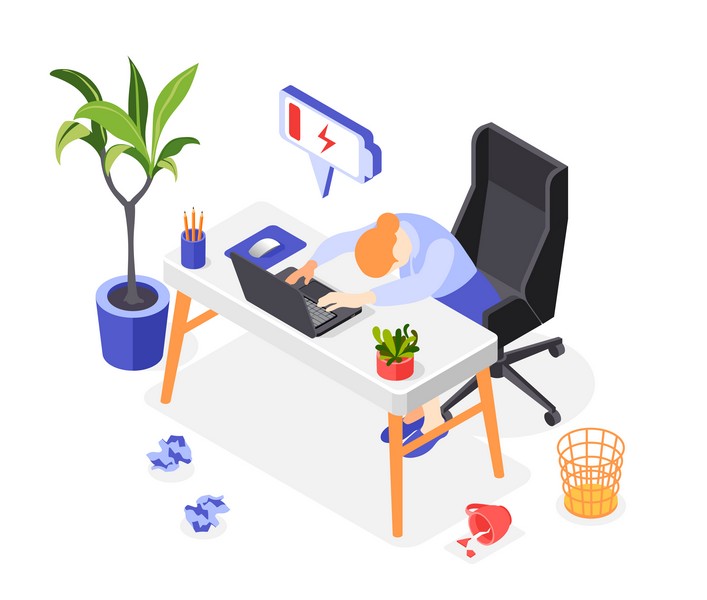
Sleep is often treated as expendable, but it is anything but optional.
It is a fundamental biological process that allows the brain and body to recover, supports memory and emotional balance, and maintains mental and physical performance.
For working young adults managing demanding jobs, long travel times, and relentless deadlines, sleep is frequently sacrificed.
One of the most dangerous, albeit least recognised, consequences of this chronic sleep loss is microsleep, which can silently jeopardise workplace safety, efficiency, and well-being.
Understanding Microsleep
Microsleep occurs when an overtired brain briefly shuts down, slipping into sleep for a few seconds or less.
During these moments, an individual may look alert or keep their eyes open, yet the brain temporarily disengages from external stimuli.
Because these episodes are automatic and frequently go unnoticed, they pose a serious risk in work and safety-critical settings.
According to the U.S National Heart, Lung, and Blood Institute, microsleep arises directly from sleep deficiency and extended periods of wakefulness. It can happen unexpectedly, even while driving or mid-conversation, without the person realising it.
These episodes are particularly common among individuals who are persistently tired or sleep-deprived.
What is Sleep Hygiene and Why is it Important?
To better understand why microsleep occurs, it is important to first explain sleep hygiene.
Sleep hygiene refers to the routine behaviours and environmental conditions that support restorative sleep, including consistent sleep schedules, a quiet and dark bedroom, limited exposure to screens in the evening, and avoiding stimulants like caffeine late in the day.
When sleep hygiene is practised consistently, it supports restorative sleep and sufficient sleep duration, both of which help reduce daytime fatigue and the likelihood of involuntary microsleep episodes.
In contrast, poor sleep hygiene—such as irregular sleeping hours, prolonged night-time screen use, or extended working hours—can lead to chronic sleep deprivation.
Research conducted in Malaysia has found that healthier daily routines are strongly linked to better sleep quality.
Causes of Microsleep in Working Youth
Rather than being an isolated event, microsleep often stems from lifestyle and work demands that slowly wear down healthy sleep habits, including:
Poor Sleep Hygiene: Disrupted sleep schedules, late-night screen exposure, and stressful routines before sleep can all degrade sleep quality and add to sleep debt.
In fact, studies indicate that more than 80% of Malaysians engage with electronic devices before bed, with many acknowledging that this habit negatively impacts their sleep.
Lack of Work-Life Boundaries: Thanks to smartphones and constant internet access, many young professionals keep checking emails, replying to messages, or finishing work long after office hours.
According to the Sleep Foundation, this blurring of work and personal boundaries makes psychological detachment from work more difficult, heightening stress and limiting opportunities for restorative rest.
Work Stress and Long Hours
Surveys from the Malaysian workplace show that more than half of employees get less than seven hours of sleep each night, which is below what health experts recommend.
Meanwhile, approximately 20% report feeling fatigued on a daily basis.
The findings indicate that prolonged work hours, high stress levels, and inadequate recovery time are driving many employees into chronic sleep restriction.
Lifestyle and Work Patterns
Working shifts, having unpredictable schedules, or juggling duties that don’t match the body’s natural sleep cycle can all reduce rest.
Research in public health has linked sleep deprivation stemming from altered work hours to increased daytime sleepiness and diminished performance on tasks.
Altogether, these pressures increase the likelihood of microsleep, especially among young adults who prioritize meeting work deadlines over sleep.
The Impact of Microsleep on Work and Safety
Microsleep and persistent sleep deficiency extend beyond simple tiredness; they measurably impair cognitive and physical performance.
Sleep loss impairs attention, vigilance, memory, and decision-making, while slowing reaction times and increasing the risk of errors.
This can affect productivity, relationships at work, and safety on the job.
In jobs where focus and fast reactions matter—like driving, healthcare, or working with machines—microsleep and sleep deprivation have been linked to more accidents and injuries.
Therefore, poor sleep increases the risk of mistakes and safety hazards for both workers and their employers.

Work Pressure and Sleep Loss in Malaysia
Although detailed, region-specific statistics for Sarawak remain limited, national data highlight a concerning trend.
A large number of Malaysian workers sleep less than seven hours per night, and many struggle with problems such as trouble falling asleep or waking frequently.
Work-related pressures such as long hours, constant connectivity, and stress are strongly associated with these issues.
Workplace studies show that excessive after-hours work and stress contribute to insufficient sleep and daytime fatigue, which in turn increase the likelihood of microsleep episodes, undermining both performance and well-being.
Practical Strategies to Improve Microsleep and Sleep Better
Addressing microsleep involves combined efforts to improve personal sleep habits and reshape the workplace norms:
Enhancing Sleep Hygiene: Public campaigns and workplace wellness efforts can play a key role in educating workers about habits that promote consistent, restorative sleep, including maintaining regular sleep schedules, limiting evening screen exposure, and optimising the sleep environment.
Workplace Policy Adjustments: Workplaces can help protect work-life balance by implementing policies that reinforce work-life boundaries, such as restricting after-hours communication, promoting reasonable working hours, and providing flexibility where feasible.
This helps reduce stress and preserve time for rest.
Structured Breaks and Rest Practices: In jobs that require long hours or constant focus, taking planned short breaks or brief rest periods can help prevent extreme tiredness and reduce the risk of microsleep.
Sleep Health Monitoring and Support: Employers can adopt tools for monitoring and managing fatigue to help identify early signs of excessive daytime sleepiness.
Therefore, support can be provided before mistakes or accidents occur.
Recommendations
For young people in Sarawak, these strategies can be made more relevant by:
– Public awareness initiatives delivered through social media, workplaces, and community health programmes that promote sleep hygiene as a component of holistic wellbeing.
– Partnerships between government, employers, and healthcare professionals to include sleep health education in workplace safety and youth programmes.
– Strengthening local data collection on sleep patterns among Sarawakian employees to inform tailored interventions and occupational guidelines.
Conclusion
Microsleep is not merely a momentary lapse in alertness; it is a physiological indicator of chronic sleep deficiency with tangible implications for work performance, health, and safety.
By addressing poor sleep habits, blurred work-life boundaries, and workplace pressures, Sarawak can implement practical, multi-level solutions that protect youths’ well-being and help them perform better at work.
References:
- How Sleep Affects Your Health
- From Restless Nights to Productive Days: Investigating Sleep Hygiene, Social Rhythm, and Sleep Quality in Young Adults
- Nearly Nine in Ten Malaysians Suffer from Sleep Problems, New Study Reveals
- The Link Between Sleep and Job Performance
- Majority of Malaysian Employees (53%) Working on Less than 7 Hours of Sleep
- The Role of Sleep and the Effects of Sleep Loss on Cognitive, Affective, and Behavioural Processes
- Malaysian Workforce: Sleepless and Overworked
- Malaysian Workers Stressed, Overworked, Sleep-Deprived, AIA Survey Shows