

In 2025, Sarawak is reshaping its approach to youth development, aiming to equip young people with the skills needed for the digital economy.
Through strong partnerships between educational institutions and industries, the state is cultivating an ecosystem that merges theoretical knowledge with practical experience, enabling young Sarawakians to thrive in the opportunities and challenges of the future.
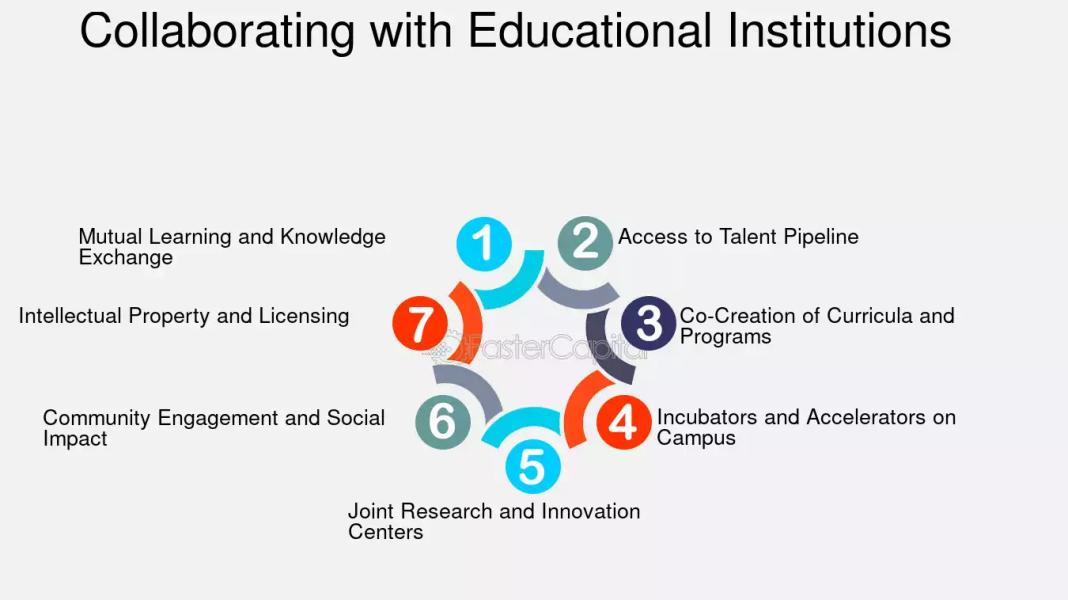
Education partnerships for skill-building involve cooperation among schools, universities, government bodies, industry stakeholders, and NGOs to strengthen youth employability.
These collaborations prioritise practical training, ensure academic content matches workplace requirements, and provide students with experiential opportunities that prepare them for real-world challenges.
Identifying the Challenges
Although Sarawak has made significant efforts, difficulties persist.
Traditional educational pathways frequently fail to keep pace with evolving industry requirements, creating mismatches in skills.
Moreover, there is a pressing need to strengthen digital literacy and soft skills to better equip youth for the demands of today’s complex workplace.
To address these issues, Sarawak has initiated several programs:
Free STEM Education Programme: Commencing in 2026, this program grants free access to tertiary studies in Science, Technology, Engineering, and Mathematics.
Its goal is to equip young people with the knowledge and skills needed to thrive in an increasingly digital and technology-driven world.
Sarawak Skills Development Centre (PPKS): Sarawak Skills Development Centres (PPKS) are offering programmes designed to equip students with industry-relevant skills.
The Sri Aman branch offers Electrical Engineering courses and is set to introduce programs in Oil Palm Plantation and Computer System & Networking in 2025, broadening opportunities for youth.
i-CATS University College Collaborations: i-CATS has signed Memorandums of Understanding (MoUs) with 22 TVET institutions and 15 industry partners across Sarawak.
The collaborations are designed to widen learning pathways while ensuring students acquire competencies that match the expectations and requirements of the workforce.
National Training Week (NTW) 2025: The initiative provides free skill-development programs nationwide, enabling youth to acquire competencies needed for the digital economy.
It encourages Sarawak’s youth to actively engage in learning opportunities that boost their employability and prepare them for future careers.
Process of Resolution
The resolution process involves several key steps:
Curriculum Alignment: Educational institutions work closely with industry partners to keep curricula aligned with the latest industry standards and requirements.
Hands-on Training: Programs such as internships, apprenticeships, and on-the-job training enable students to acquire practical skills and real-world experience.
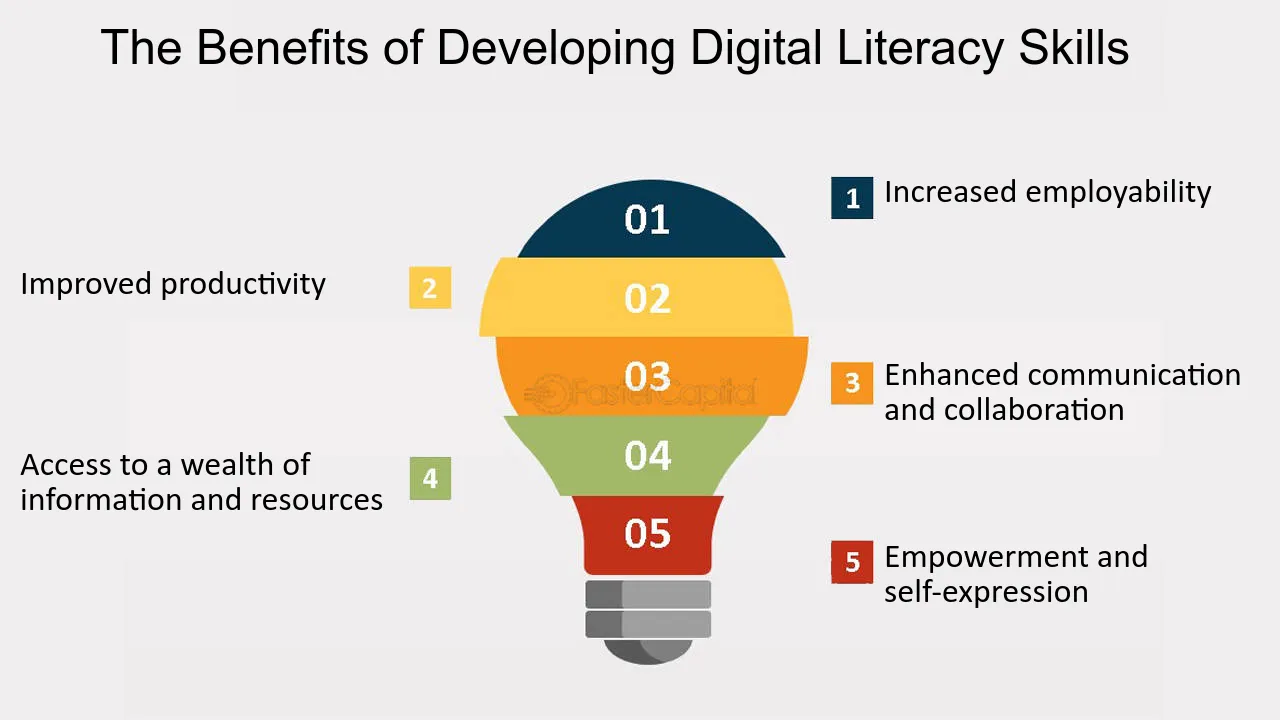
Digital Literacy Integration: Integrating digital tools and platforms into education helps students develop proficiency in critical digital skills.
Soft Skills Development: Emphasizing teamwork, problem-solving, and communication readies students to handle interpersonal challenges in professional settings.
Benefits to Stakeholders:
The benefits of these initiatives are multifaceted:
Youth: Acquire practical skills that improve employability and strengthen future career opportunities.
Educational Institutions: Develop partnerships with industry to enhance program relevance and practical applicability.
Industry Partners: Obtain access to a group of skilled employees tailored for particular industry demands.
Government: Support economic development objectives through cultivating a knowledgeable and competent workforce.
Collaborative Efforts
These initiatives are the result of partnerships between various stakeholders:
Government Bodies: Offer policy backing and financial resources to strengthen educational programs.
Educational Institutions: Design and conduct training programs in cooperation with industry partners for practical learning.
Industry Partners: Provide knowledge, materials, and hands-on training opportunities for students.
Non-Governmental Organisations (NGO): Offer guidance and support in soft skills development and community participation activities.
Recommendations for Improvement
To further improve the success of these initiatives, the following practical steps and recommendations are proposed:
Continuous Curriculum Review: Regularly refresh curricula to ensure alignment with technological innovations and current industry standards.
Expanded Industry Engagement: Encourage greater involvement of industry partners in shaping and delivering educational programs.
Inclusive Access: Ensure training programs are reachable and inclusive for youth from diverse backgrounds, including rural and remote communities.
Monitoring and Evaluation: Implement structured systems to monitor program performance and make appropriate adjustments based on findings.
Conclusion
Sarawak’s dedication to education partnerships focused on skill development is shaping a workforce ready for the future.
By aligning curricula with the evolving demands of industry, the state enables youth to excel in a technology-driven economy.
Continued cooperation among government, industry, and educational stakeholders will ensure that Sarawak’s young generation remains at the forefront of progress and innovation.
References: